




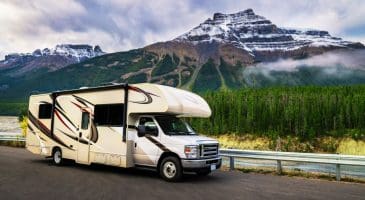
When choosing between new and used RVs from a BC dealership, there are many pros and cons to consider. Buying new offers full manufacturer warranty, the latest features, and lower financing rates, but comes with a higher purchase price and immediate depreciation. Buying a used RV offers a lower upfront cost and first-year depreciation hit, but warranty coverage and financing rates vary. The right choice depends on your budget, how long you plan to own the RV, and what trade-offs matter most to you.
This guide examines the pros and cons of buying new vs. used RVs from BC dealers across five key factors: pricing, depreciation, warranty coverage, financing rates, and condition risk, so buyers are equipped to make an informed decision before buying.
Pros and Cons of Buying a New vs. Used RV From a BC Dealer
Buying new and buying used from a BC dealership each comes with distinct advantages and drawbacks. The right choice depends on your budget, how long you plan to own the RV, and how much weight you place on warranty coverage vs. upfront savings. The table below summarizes the key pros and cons of buying a new vs. used RV from a BC dealership.
| New RV | Used RV | |
| Purchase Price | Higher upfront cost | 30–45% less than a new equivalent |
| Depreciation | Loses 15–35% in year one | First-year depreciation already absorbed |
| Warranty | Full manufacturer warranty (1–3 years) | Certified pre-owned warranty options vary by dealer |
| Financing Rates | Lower rates; promotional financing available | Higher rates than new; varies by lender and credit tier |
| Condition Certainty | Known condition; no prior use | Dealer-inspected and reconditioned |
| Features | Latest floor plans and technology | Older features; still modern on 3–5 year old units |
| Inventory Selection | Subject to manufacturer availability | Wider range of types, sizes, and price points |
| Long-Term Value | Best if keeping 10+ years | Best if prioritizing upfront savings |
Buying a new RV from a dealer offers certainty: full warranty, known condition, and the latest features, but at a higher upfront cost. Buying a used RV from a dealer offers immediate savings on a professionally inspected unit, but comes with varying warranty coverage and slightly higher financing rates.
New vs. Used RV Price Ranges in BC
| RV Type | New (CAD) | Used (CAD) |
| Travel Trailer | $35,000 – $150,000 | $13,000 – $110,000 |
| Fifth Wheel | $50,000 – $150,000 | $30,000 – $100,000 |
| Class B Campervan | $190,000 – $253,000 | $50,000 – $150,000 |
| Class C Motorhome | $120,000 – $250,000 | $60,000 – $150,000 |
| Class A Motorhome | $399,000 – $475,000+ | $60,000 – $400,000 |
Like any vehicle, owning an RV comes with ongoing costs beyond the purchase price, including insurance, maintenance, storage, and campsite fees.
How Fast Does an RV Depreciate?
Aside from initial pricing, depreciation is an important financial factor in the new vs. used RV purchase decision:
- New RVs lose 15–35% of their value in year one, depending on type, then slow to 6–8% annually thereafter
- Buying a 3–5 year old unit means the steepest depreciation has already occurred, and that difference shows directly in the asking price
- Travel trailers depreciate 20–30% in year one, making a 3–5 year old unit a cost-effective entry point into RV ownership
- Class A gas motorhomes see the steepest drop at 30–35% in year one, meaning used buyers can capture significant savings on higher-priced units
Class B motorhomes are the notable exception: limited production and strong demand mean some models hold value well and occasionally sell used near or above their original price when new inventory is tight.
Warranty Coverage of New vs. Used RVs From a BC Dealer
Warranty coverage differs significantly between new and used RVs purchased from a BC dealer. New RVs come with full manufacturer protection for up to three years. Used units vary depending on the dealer’s certified pre-owned program, though dealers that offer inspected and reconditioned inventory can close much of that gap with extended warranty options.
Warranty Coverage of New vs Used RVs Comparison
| New RV | Used (Dealer) | Certified Pre-Owned (Dealer) | |
|---|---|---|---|
| Bumper-to-Bumper | 1 year (typical) | Varies by dealer | Varies by dealer |
| Structural Coverage | Up to 3 years | Varies by dealer | Varies by dealer |
| Extended Warranty Option | Yes | Sometimes | Yes |
| Inspection Before Sale | Yes | Yes | Yes |
New RV Warranty Coverage
New RVs come with a manufacturer’s warranty, typically a one-year bumper-to-bumper warranty with structural warranties extending up to three years, depending on the brand. That coverage gives buyers protection against defects in materials and workmanship during the period when problems are most likely to surface.
Used RV Warranty Coverage
Used RVs purchased through a dealership are inspected before sale, which reduces condition risk compared to other purchasing channels. Used RV units may also qualify for extended warranty coverage, providing buyers additional peace of mind beyond the inspection.
Midtown RV’s used inventory carries professionally inspected units. Confirm current warranty options directly with the team.
New vs Used RV Financing Rates in BC: What to Expect
The purchase price of an RV is only part of the cost equation. Financing rates on new and used RVs differ, and that gap affects the total amount paid over the life of the loan.
New RVs typically qualify for lower financing rates than used ones. Lenders treat new units as better collateral because their value is more predictable and their condition is known. Used RV financing rates in Canada are approximately 0.5–1.0% higher per credit tier than those for new units.
In practical terms, new RV financing rates are generally lower than used rates, though the exact figures vary by lender, credit tier, and market conditions at the time of purchase. On a $50,000 loan over 15 years, a 1% rate difference adds roughly $4,500–$5,000 in total interest paid. That narrows the upfront price advantage of buying used.
New RVs also occasionally qualify for manufacturer-backed promotional financing at rates that are not available on used inventory. When those promotions are active, the total cost difference between new and used can compress further.
Midtown RV’s RV financing page outlines current financing options for both new and used purchases.
The Risks of Buying a Used RV in BC
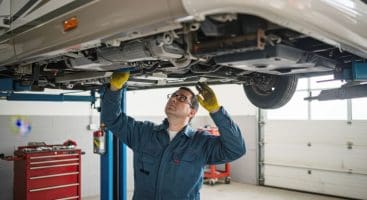
Used RVs offer real price advantages, but they carry condition risks that new units do not. It is important to understand the condition risks involved before committing to a purchase.
The main conditions to inspect before buying a used RV include:
- Water damage and leaks around windows, roof seams, and slide-outs
- Delamination on exterior walls (bubbling or separation of the outer skin)
- Roof wear, cracking, or compromised seals
- Aging or non-functional appliances (furnace, fridge, water heater, AC)
- Deteriorated plumbing or electrical systems
- Frame or subfloor soft spots from moisture exposure
For motorhomes, mileage is an additional factor. High mileage on the engine and drivetrain affects reliability in ways that don’t apply to towable units like travel trailers or fifth wheels, where the tow vehicle carries the mechanical wear.
A complete service history is a meaningful value signal. An owner who has documented regular maintenance, winterization, and repairs demonstrates that the unit has been cared for. When this documentation is absent, the risk increases.
A professional pre-purchase RV inspection, completed by certified technicians at a dealership like Midtown RV, is the most reliable way to identify hidden issues. Buying a used RV from a dealer that performs its own inspection and reconditioning further reduces that risk.
Is a New or Used RV Right for You?
Buying a new RV makes the most sense if warranty coverage and financing rates are priorities and you plan to keep the RV long-term. Buying used, particularly a 3–5-year-old unit, offers the best upfront value once first-year depreciation has been absorbed. A certified pre-owned RV from a dealer is the strongest middle-ground option, combining used pricing with reduced condition risk and warranty options.
Buy a new RV from a dealer if:
- You want full manufacturer warranty coverage
- You want access to manufacturer financing rates or promotions
- The latest features and floor plans are a priority
- You plan to keep the unit for 10 or more years
Buy a used RV from a dealer if:
- You want to avoid absorbing first-year depreciation
- You are working within a defined budget
- Warranty coverage is important but buying new is outside your budget
- You want a dealer-inspected unit with documented condition and service history
- A 3–5 year old unit fits your needs, as that age range offers the best balance of price and remaining useful life
Whichever option suits your situation, buying from a reputable BC dealer with on-site certified inspection and financing support removes most of the risk from either decision.
Find Your Next New or Used RV at Midtown RV
Whether you’re shopping for a new or used RV in BC, Midtown RV in Penticton carries both. Browse new RVs or professionally inspected used inventory across all major types, from travel trailers to Class A motorhomes. Whatever your budget, family size, or must-have features, Midtown RV’s team can help you find the right fit. Discover why RV buyers across Western Canada continue to choose Midtown RV and contact our team today to get started.
Frequently Asked Questions
Is it cheaper to buy a new or used RV in BC?
Used RVs are generally less expensive than new RVs upfront, but this isn’t always the case. A used unit with premium features, upgrades, or a high-end floor plan can sometimes price comparably to a base-model new unit. A 3–5-year-old RV in BC has already absorbed 35–45% of its total lifetime depreciation, and that difference typically shows up in the asking price. Used units also carry higher financing rates and may have different warranty coverage than new units. The total cost depends on the purchase price, the features included, the financing rate you qualify for, and the dealer’s certified pre-owned program.
How much do RVs depreciate in Canada?
New RVs in Canada lose approximately 15–35% of their value in the first year, depending on type. Travel trailers depreciate at 20–30% in year one, while Class A gas motorhomes can lose up to 35%. After year one, depreciation slows to roughly 6–8% annually and flattens further after year five.
What should I look for when buying a used RV in BC?
Check for water damage, roof condition, delamination on exterior walls, appliance function, and the condition of the plumbing and electrical systems. Ask for all available service records. For motorhomes, review mileage and engine maintenance history. A professional pre-purchase inspection completed by a certified technician is the most reliable way to assess overall condition before committing to a purchase.
Are there certified pre-owned RVs available in BC?
Midtown RV in Penticton, BC, carries professionally inspected pre-owned RVs. Buying through a certified dealer program reduces the condition risk associated with private-sale purchases and may include extended warranty options not available on privately sold units.
Is a used Class A motorhome a good buy in BC?
A used Class A motorhome can be an excellent buy for the right buyer, but it is not the most practical choice for everyone. Gas models depreciate 30–35% in year one, so a 3–5-year-old unit with documented service history and reasonable mileage can represent significant savings. Diesel models hold value better and have lower long-term engine wear.
Beyond price, consider mileage, chassis and appliance condition, floor plan fit for your family size, and whether the ongoing costs of a Class A, including fuel, insurance, and storage, fit your budget. For buyers who plan to travel frequently and want the most living space on the road, a used Class A from a reputable dealer is a strong option. For occasional campers or first-time RV buyers, a smaller used unit may be a better starting point.